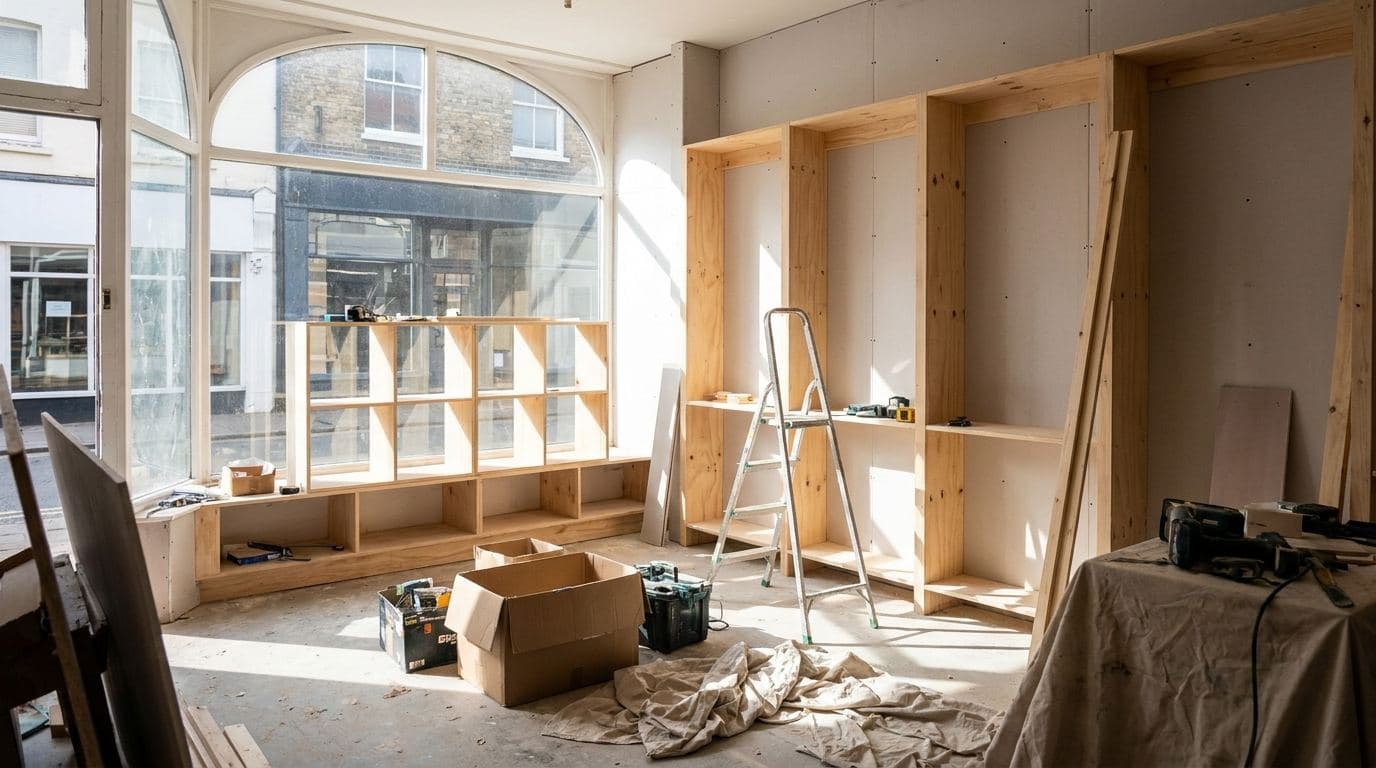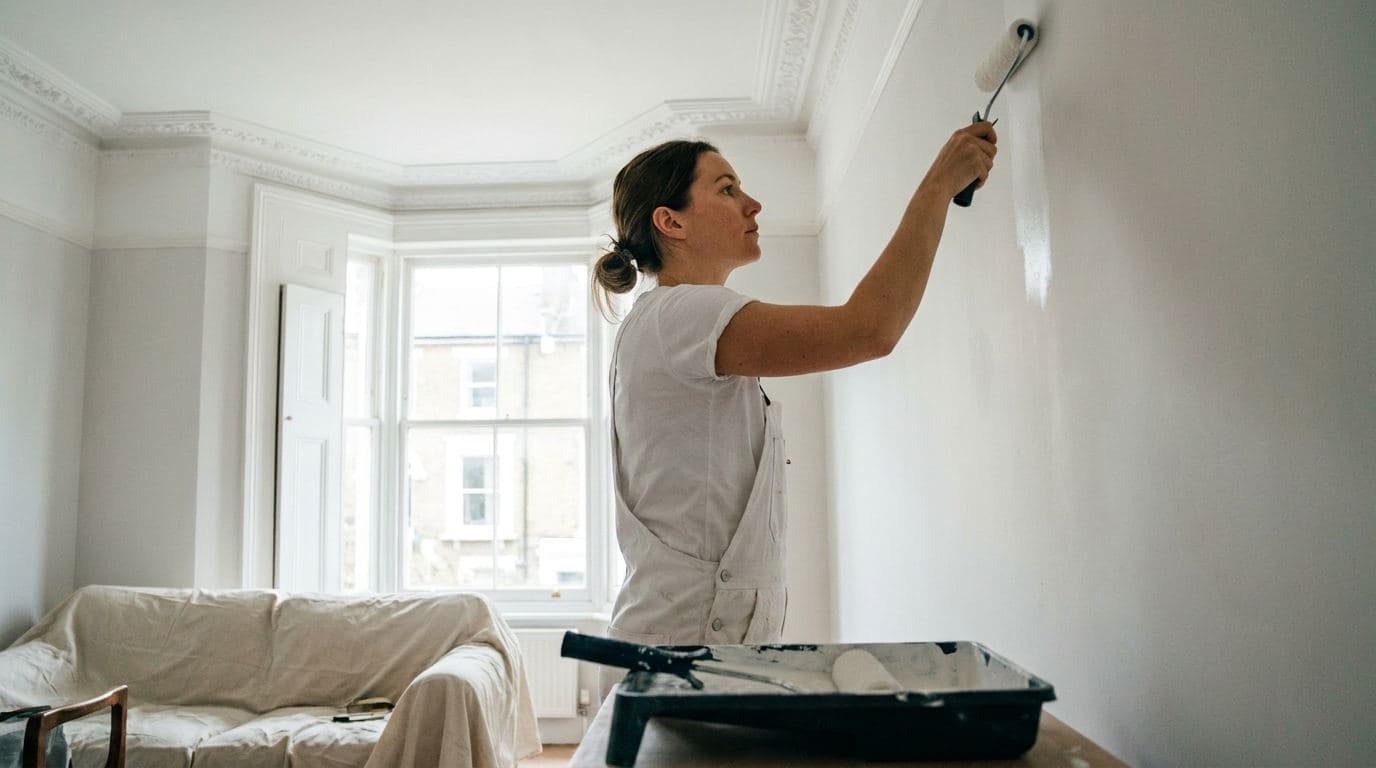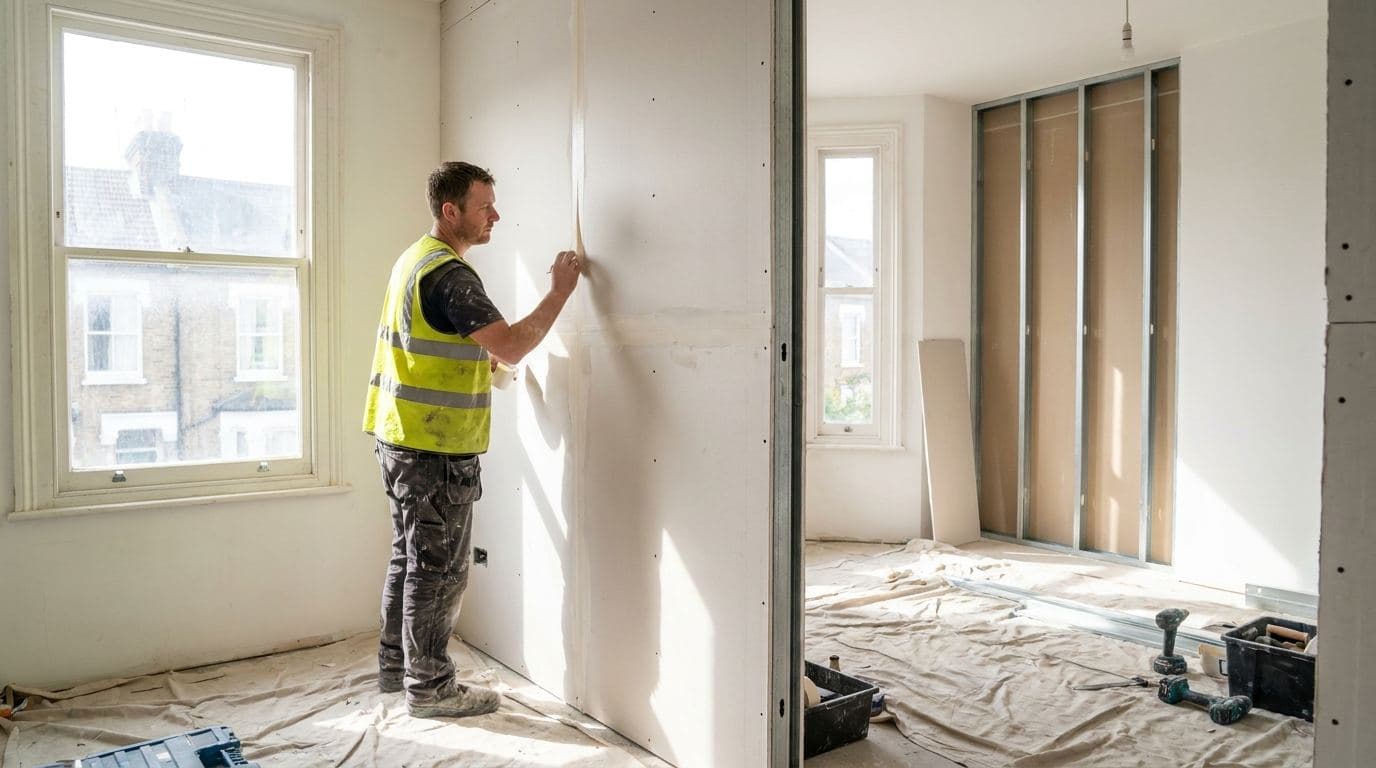
Almost every renovation and fit-out reaches the same fork in the road: line the walls with plasterboard, or plaster them the traditional wet way? Both produce a wall you can decorate. They get there very differently, and the right choice depends on your programme, your building and the finish you are after.
Having delivered both across London homes and commercial sites, here is the honest comparison.
What is the difference?
Dry lining fixes plasterboard to walls or metal stud framing, then tapes and joints the boards (or adds a thin skim coat) ready for decoration. Wet plastering builds up coats of sand-and-cement or gypsum plaster directly onto the wall, trowelled to a finish.
Speed and mess
Dry lining wins comfortably. Boards go up fast, introduce very little moisture and can often be decorated within days. Wet plaster needs to dry properly between coats and before painting, which can add days or weeks to a programme, especially in winter. On commercial jobs with a hard deadline, this is usually decisive.
Cost
Dry lining is generally cheaper per square metre because it is faster and less labour-intensive. As a 2026 guide, taped-and-jointed dry lining typically runs £25 to £45 per m², while a two-coat wet plaster finish tends to sit around £35 to £60 per m². On large areas the difference compounds quickly.
Finish and durability
A well-executed wet plaster wall is slightly harder and more impact-resistant, which is why some period-property owners prefer it. But a properly taped, jointed and skimmed dry-lined wall is flat, true and indistinguishable once painted. The skill of the installer matters far more than the system.
Dry lining also has a practical advantage: the cavity. Insulation, acoustic quilt, cables and pipework all hide neatly behind the boards, and access for future changes is easier.
Sound and fire performance
Modern board systems are specified to hit exact acoustic and fire ratings, using acoustic or fire-rated plasterboard and insulation in the cavity. If you need a documented performance level for building control, a specified dry-lined system is usually the cleanest route to sign-off.
So which should you choose?
- Choose dry lining for speed, new partitions, commercial programmes, concealing services, and acoustic or fire-rated builds.
- Choose wet plastering for heritage repairs, curved or irregular period walls, and where a traditional hard finish is specified.
- On many projects the answer is both: dry-lined new partitions with wet-plastered repairs to retained period walls.
Planning a project?
Get a free, itemised quote from Avex
Tell us about your project and we’ll come back with a considered approach and honest numbers. We reply within 1 working day.
Read more about our Dry Lining in London service, or browse recent projects.
FAQ
Quick answers
- Can you paint straight onto dry-lined walls?
- Yes. Once the boards are taped and jointed (or skimmed), primed with a suitable sealer, the walls are ready for decoration, typically much sooner than wet plaster, which must dry out fully first.
- Is dry lining suitable for bathrooms and kitchens?
- Yes, using moisture-resistant board in wet areas and cement board behind tiling in showers. The right board for the environment is part of a proper specification.